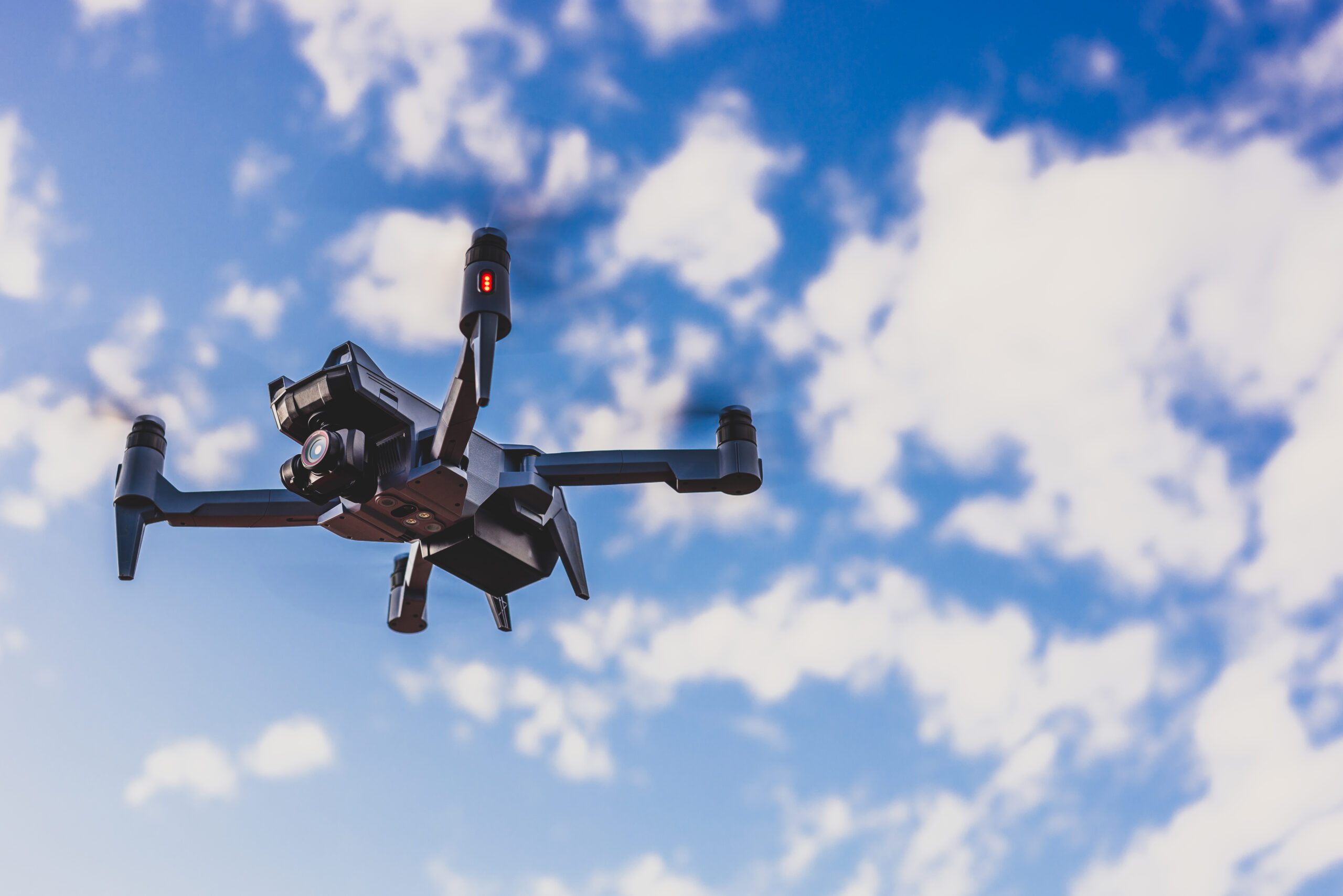

Parallel Flight Technologies and Alpha Unmanned Systems have partnered to develop new heavy-fuel UAS technology for naval research under a U.S. Office of Naval Research (ONR) program. The collaboration focuses on adapting Parallel Flight’s Firefly UAS to operate on heavy fuel, increasing reliability and range for a variety of missions.
Heavy-Fuel UAS Development Targets Naval Use
Under the ONR contract, Parallel Flight Technologies is converting its patented Parallel Hybrid Electric Multirotor (PHEM) propulsion system to support heavy-fuel operation. This upgrade merges electric and internal combustion power, providing extended flight times and compatibility with existing naval fuel systems.
“We are very pleased to work with Alpha Unmanned Systems,” said Craig Stevens, CEO of Parallel Flight Technologies. “Alpha’s real-world experience with heavy-fuel propulsion has been directly applicable to our development objectives, helping us refine and validate our hybrid architecture to meet the unique demands of naval and expeditionary missions.”
Technical Collaboration Accelerates Hybrid Innovation
Madrid-based Alpha Unmanned Systems brings over a decade of experience designing and integrating fuel-powered helicopter UAVs. The company is adapting Parallel Flight’s PHEM propulsion to heavy-fuel engines, a key step toward greater durability and flexibility in defense operations.
“The use of heavy-fuel engines is essential for unmanned aircraft deployed in challenging defense and maritime operating environments,” said Álvaro Escarpenter, CTO of Alpha Unmanned Systems. “We are proud to support Parallel Flight’s efforts and contribute our expertise in heavy-fuel UAV propulsion to this important program.”
Firefly UAS: Hybrid Power and Endurance
Parallel Flight’s Firefly is an NDAA-compliant Group 3 UAS built in the United States. The heavy-lift quadcopter is compact and field-deployable, fitting in the back of a pickup truck. It can carry up to 100 pounds (45 kg) and offers ten times the endurance of comparable all-electric systems. The hybrid architecture also delivers 2 kW of continuous in-flight power for payloads.
Supported by agencies including DIU, USDA, NASA, and NSF, Firefly’s design is protected by 5 patents. Optimized for defense, logistics, and industrial use cases, it promises top performance in difficult conditions.
Expanding Applications for Heavy-Fuel UAS
The partnership reflects a growing focus on propulsion systems that extend endurance and align with military fuel infrastructure. These heavy-fuel UAS technologies aim to enhance operational safety, reduce logistical complexity, and improve mission range in austere environments.
More information about Parallel Flight is available from their website. More information about Alpha Unmanned Systems is available from their website.
Read More
Ian McNabb is a journalist focusing on drone technology and lifestyle content at Dronelife. He is based between Boston and NH and, when not writing, enjoys hiking and Boston area sports.