
New integration captures flight data automatically, supporting scalable and auditable drone operations
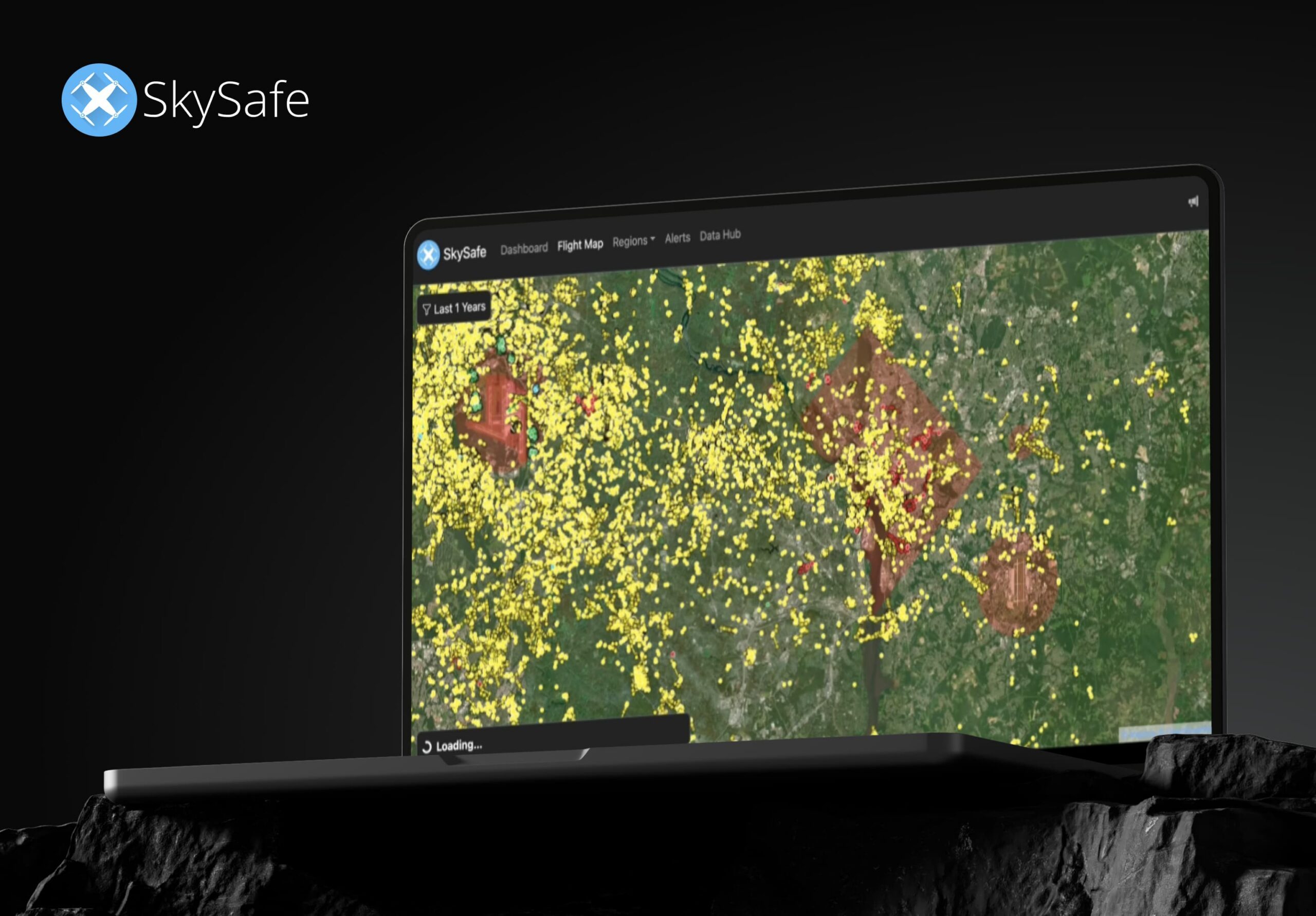
AirData has announced a new integration with BRINC, aimed at simplifying how public safety agencies manage drone flight data. The integration automatically captures and organizes flight records from BRINC’s Lemur 2 and Responder drones within the AirData platform, reducing the need for manual input while improving operational visibility.
The announcement reflects a broader shift in public safety drone programs. As adoption grows, agencies face increasing pressure to maintain accurate and complete records across teams and deployments.
Supporting a Growing Public Safety Ecosystem
“Public safety agencies rely on a connected ecosystem of tools,” said David Benowitz, VP of Strategy & Marketing Communications at BRINC, “Integrating with platforms like AirData ensures flight data is automatically captured and accessible without adding friction to critical operations.”
More than 1,500 law enforcement agencies in the United States now operate drone programs, according to the Electronic Frontier Foundation’s Atlas of Surveillance. Drone as First Responder (DFR) programs expanded quickly in 2025. Some jurisdictions report that drones now resolve up to 20–25% of calls without requiring a ground unit.
As programs scale, agencies must track pilot activity, equipment use, and mission data across shifts. Manual recordkeeping can slow operations and create gaps in documentation. The new integration addresses this challenge by capturing data automatically from BRINC’s systems.
From Flight Logs to System of Record
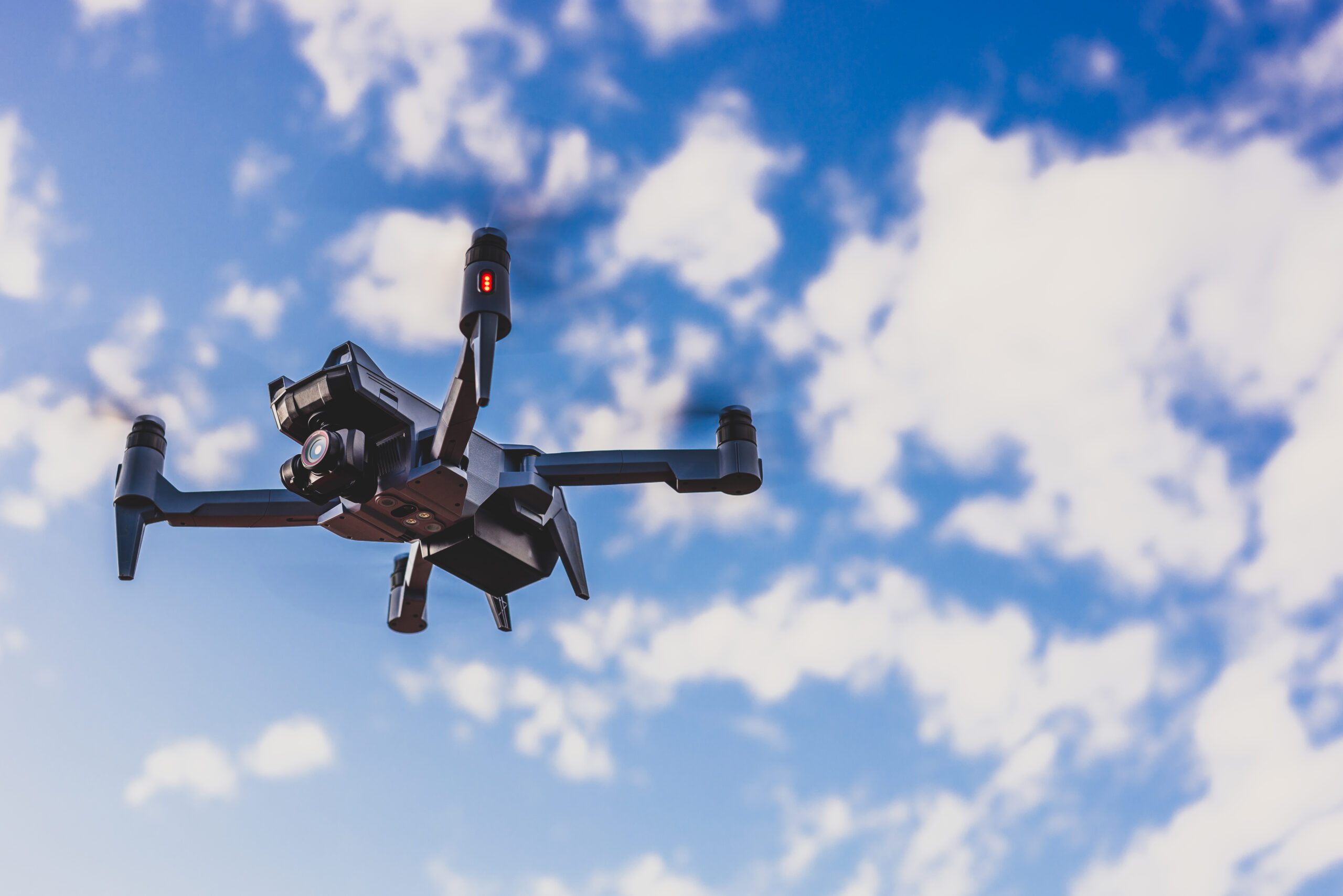
BRINC designs its drones for demanding public safety environments. The Lemur 2 supports indoor missions, allowing teams to assess structures during high-risk incidents. The Responder drone supports DFR programs with autonomous deployment to 911 calls, live video, thermal imaging, and remote operation. Both systems now feed data directly into AirData.
“BRINC builds drones that perform in the most demanding environments,” said Eran Steiner, CEO of AirData. “With more than 60 million flights on our platform, we have a clear view into how leading programs operate. Connecting that hardware into AirData gives agencies more than flight logs. It gives them a system of record that captures pilot activity, equipment health, and program-wide trends automatically.”
The integration captures flight data directly from BRINC’s proprietary systems. It organizes that data within AirData without requiring action from pilots. This approach helps ensure consistent documentation across teams and reduces the risk of missing records.
Enabling Compliance and Operational Insight
AirData’s Public Safety Program serves as a system of record for drone operations across law enforcement, fire, and emergency response. It captures flight history, equipment status, and pilot credentials in a searchable format. Agencies use this data to track maintenance cycles, monitor readiness, and generate reports for audits and compliance.
The ability to capture data without changing pilot workflows is a key feature. As public safety drone programs continue to expand, tools that reduce administrative burden while improving accountability are becoming essential.
This integration highlights how software platforms and drone hardware are evolving together. The result is a more connected system that supports faster response, better oversight, and scalable operations for public safety agencies.
Read more:

Miriam McNabb is the Editor-in-Chief of DRONELIFE and CEO of JobForDrones, a professional drone services marketplace, and a fascinated observer of the emerging drone industry and the regulatory environment for drones. Miriam has penned over 3,000 articles focused on the commercial drone space and is an international speaker and recognized figure in the industry. Miriam has a degree from the University of Chicago and over 20 years of experience in high tech sales and marketing for new technologies.
For drone industry consulting or writing, Email Miriam.
TWITTER:@spaldingbarker
Subscribe to DroneLife here.