
Company outlines strategy to expand unmanned systems across global defense markets
Tokyo-based Terra Drone Corporation has announced a full-scale entry into the defense equipment market, alongside plans to establish a U.S.-based subsidiary, “Terra Defense,” by the end of fiscal year 2026.
The move reflects growing global demand for unmanned systems in defense, as governments increase spending and adapt to evolving security challenges.
Expanding into a Changing Defense Landscape
Terra Drone said its expansion comes as geopolitical tensions reshape defense priorities worldwide. The company pointed to rising instability in regions such as the Middle East and Indo-Pacific, along with increased global defense spending.
According to the company, global defense spending reached a record $2.71 trillion in 2024. At the same time, the military drone market is projected to grow from $15.8 billion in 2025 to $22.8 billion by 2030.
Recent conflicts have also accelerated adoption. In particular, the widespread use of low-cost drones in the Russia-Ukraine war has demonstrated their value in reducing risk to human life and enabling new operational strategies.
Japan is also increasing its focus on unmanned systems. The country’s proposed fiscal 2026 budget includes approximately $1.96 billion for capabilities involving unmanned assets.
U.S. Subsidiary to Support Global Operations
A key part of Terra Drone’s strategy is the creation of “Terra Defense,” a U.S.-based entity that will manage logistics and international supply for defense systems.
The company said the subsidiary will support import and export operations and enable collaboration across global defense markets. It will also help meet compliance requirements in the United States and other Western markets.
Terra Drone plans to use this structure to support deployments in multiple regions, including Japan, Ukraine, NATO member states, and other allied countries.
Focus on Multi-Domain Unmanned Systems
The company outlined plans to expand its portfolio across land, air, and sea systems. These include a range of unmanned platforms designed for different defense applications.
Planned systems include:
- FPV drones for low-altitude threats
- Rocket-type interceptor drones for cost-efficient defense
- Fixed-wing interceptor drones for wide-area patrol
- Jet-powered interceptor drones for long-range response
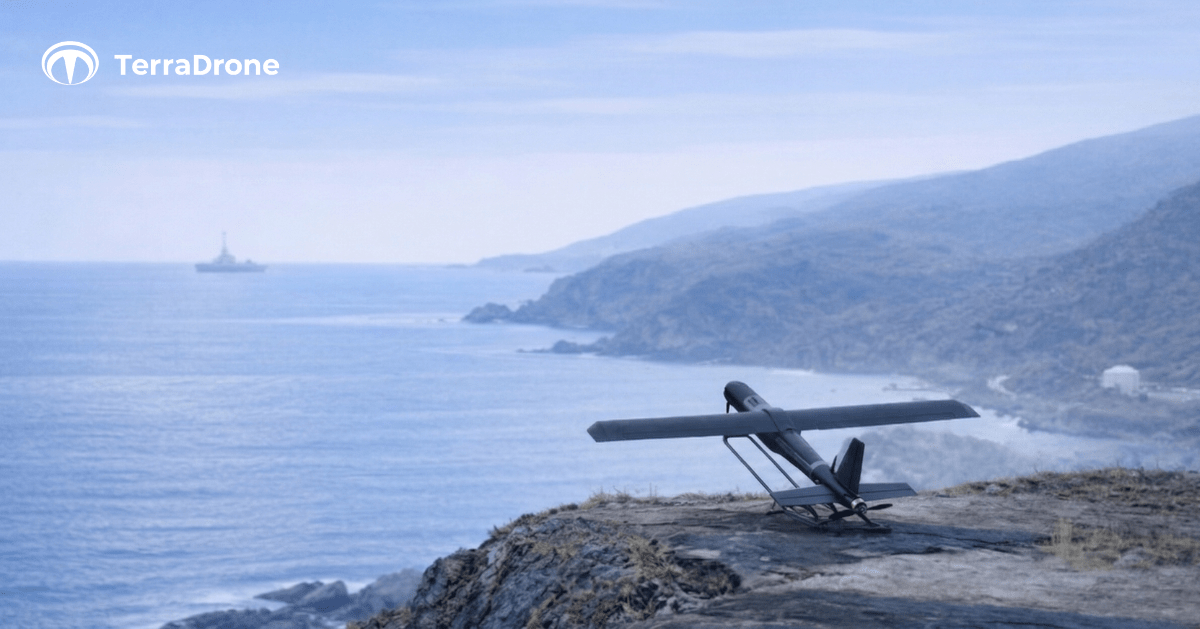
- Reconnaissance drones with advanced sensors
- Unmanned surface vessels for maritime operations
Terra Drone said these systems are designed to support layered defense strategies and respond to evolving threats.
Strategy Targets Global Growth Opportunities
The company identified three main areas of focus: building a global logistics network, expanding into international markets, and developing next-generation unmanned systems.
Terra Drone expects demand for unmanned defense systems to grow across multiple regions. It noted that countries are prioritizing technologies that can improve efficiency while strengthening defense capabilities.
Executive Perspective
Toru Tokushige, CEO of Terra Drone, emphasized the long-term role of drones in defense:
“The evolution of drone technology is irreversibly transforming the nature of security and defense. Our decision to enter this market marks an important first step in Terra Drone’s long-term business strategy. In line with the accelerating efforts to strengthen defense capabilities, we will focus on the deployment of products that address the needs of each country. By leveraging the real-world operational expertise in drones that we have cultivated around the world, we will actively promote digital transformation in defense that supports public safety and strengthens international deterrence.”
Industry Context
Terra Drone’s announcement reflects a broader shift in the drone industry. Companies that began in commercial sectors such as inspection and mapping are now entering defense markets.
This trend aligns with increasing investment in unmanned systems and growing recognition of their role in modern security strategies. As governments seek scalable and cost-effective solutions, demand for drone-based systems is expected to continue rising.
Read more: